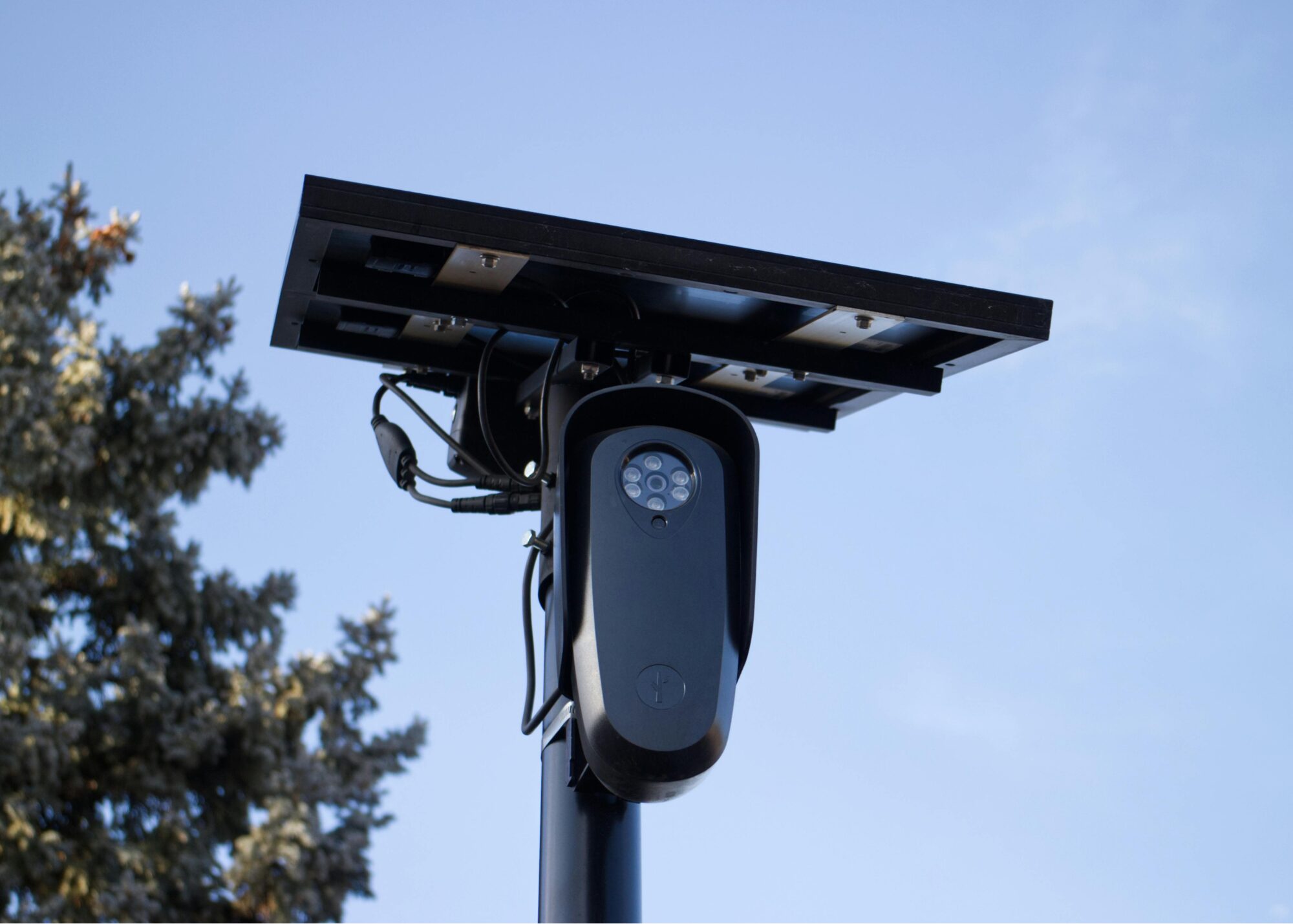
FLAGSTAFF — The Flagstaff City Council voted unanimously on Dec. 16, 2025, to end the city’s contract with Flock Safety, leading to the immediate deactivation of all 32 automated license plate reading cameras installed around the city.
The cameras, operated by the private company Flock Safety, used automated license plate recognition (ALPR) technology to capture vehicle license plates and alert law enforcement to matches in law-enforcement databases.
However, the council’s vote marked a decisive shift away from the surveillance system amid growing public concerns over privacy and data usage.
Council Decision and Police Department Efforts
Following the vote, all 32 Flock cameras were immediately switched off and are scheduled for physical removal from city streets.
The Flagstaff Police Department had previously attempted to address privacy concerns by shortening the data retention period from 30 days to 14 days and by limiting access to the camera database to local agencies such as the Coconino County Sheriff’s Office and Northern Arizona University Police.
The department also implemented a policy prohibiting the use of the technology for federal immigration enforcement.
Despite those changes, council members said the measures did not sufficiently alleviate broader concerns about how the technology operates and the potential for data misuse.
Mayor Becky Daggett reiterated the council’s support for the Flagstaff police.
“Chief [Sean] Connolly, deputy chiefs and women and men of the Flagstaff Police Department, you have my deep respect,” Daggett said.
Still, she said she could not support a continued contract with Flock.
Public Reaction and Privacy Debate
Some residents in Flagstaff voiced strong opposition to the cameras, framing them as a form of AI mass surveillance and expressing distrust of how collected data might be shared or used beyond local law enforcement.
Others warned that removing such tools could make it harder for police to solve crimes and hold offenders accountable, pointing to potential benefits of the technology in tracking missing persons and solving crimes faster.